Systematic Review Finds Curcumin-Piperine Supplementation Reduces Inflammation, Improves Metabolic Markers
05/31/2026 / By Coco Somers

A new systematic review of 19 randomized controlled trials has found that supplementation with curcumin combined with piperine consistently reduces markers of inflammation and improves metabolic parameters in adults with chronic conditions.
The review published in Frontiers in Nutrition examined studies involving participants with metabolic syndrome, Type 2 diabetes, non-alcoholic fatty liver disease (NAFLD), cardiovascular disease, lupus, Wuhan coronavirus (COVID-19) infection and other conditions, according to the researchers. Across the trials, daily doses ranged from 500 to 1,500 milligrams of curcumin with 5 to 15 milligrams of piperine, taken for periods of one to 12 weeks.
The review reported consistent reductions in inflammatory markers, including C-reactive protein (CRP), high-sensitivity CRP (hs-CRP), and interleukin-6 (IL-6). Improvements in antioxidant capacity and metabolic parameters were also observed, the review stated.
Study Design and Scope
The systematic review included only randomized controlled trials, which researchers said strengthens the evidence base. Outcomes measured included inflammatory markers, oxidative stress markers, blood sugar regulation, cholesterol and triglycerides, cardiovascular biomarkers, and symptom severity. The trials enrolled adults with a range of chronic low-grade inflammation conditions, and researchers noted that the most pronounced effects occurred in those with metabolic syndrome and Type 2 diabetes.
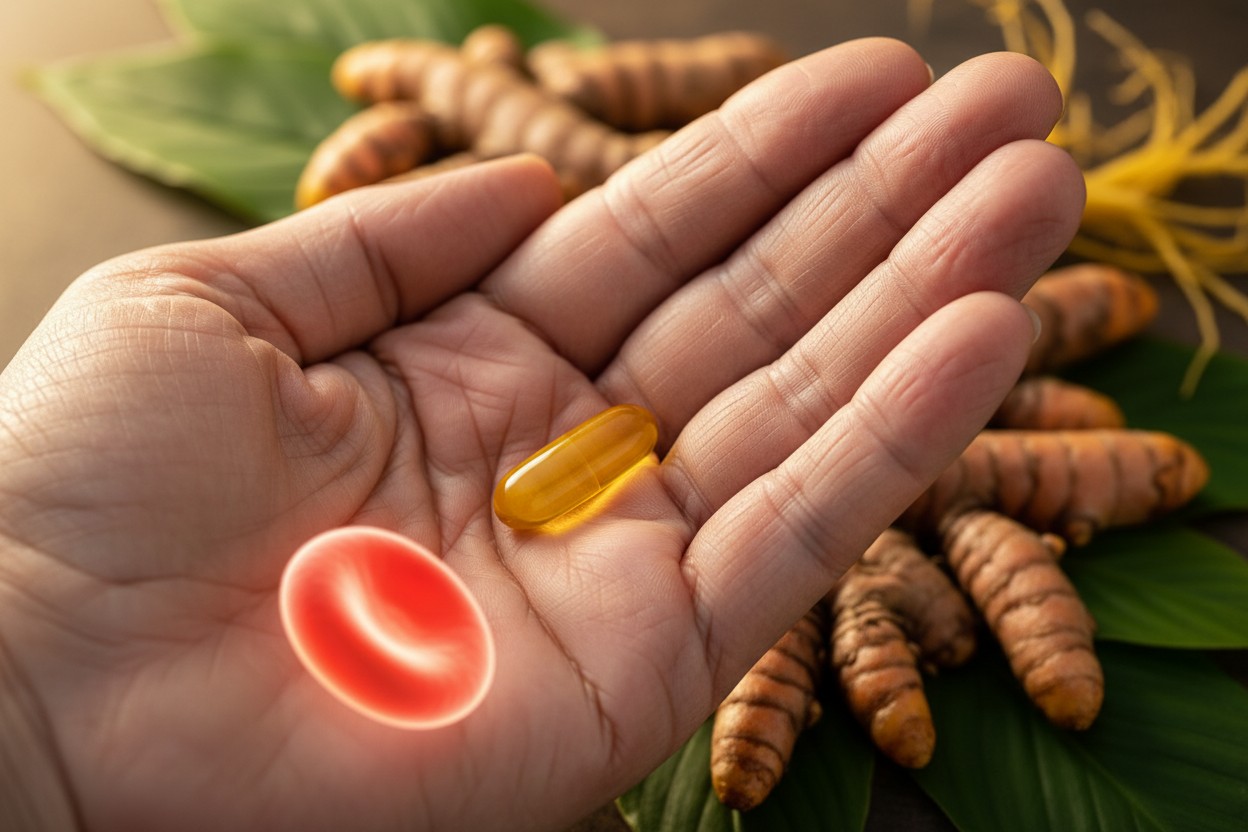
Prior research has indicated that curcumin may influence inflammatory signaling pathways, including the NF-?B pathway, according to the review. The inclusion of piperine, a compound found in black pepper, is considered critical because it enhances curcumin absorption by up to 2,000%, according to prior research cited in the review.
Anti-inflammatory and Antioxidant Findings
Across 15 of the included trials, researchers observed significant reductions in CRP, hs-CRP and IL-6. These effects were most pronounced in individuals with metabolic syndrome, Type 2 diabetes, metabolic dysfunction-associated steatotic liver disease and heart disease.
Persistent low-grade inflammation is recognized as a key driver of cardiometabolic dysfunction, the review noted. Twelve out of 15 studies evaluating oxidative stress markers reported improvements, including increased antioxidant activity, higher total antioxidant capacity, and lower levels of malondialdehyde, a marker of oxidative damage.
Curcumin’s effects on oxidative stress are well documented; as noted in prior research, curcumin has over 160 potentially therapeutic activities, including antioxidant and anti-inflammatory effects [2]. Researchers involved in the review suggested that curcumin may modulate NF-?B signaling pathways, which play a role in cytokine production and oxidative stress regulation.
Metabolic and Cardiovascular Effects
Participants taking curcumin-piperine showed reductions in fasting blood glucose, HbA1c, and markers of insulin resistance, according to the review. These findings align with previous work indicating that curcumin supplementation can lower fasting blood glucose and improve insulin sensitivity [5]. The review also found favorable shifts in lipid profiles, including lower LDL cholesterol and triglycerides, along with increases in HDL cholesterol.
Some studies in the review recorded reductions in waist circumference and blood pressure, particularly among those with metabolic syndrome. A separate report on curcumin supplementation noted measurable benefits for blood sugar control, blood pressure, cholesterol levels, and body composition [4]. Researchers emphasized that the cardiometabolic improvements seen in the review support the potential of curcumin-piperine as an adjunct to lifestyle measures.
Implications and Context
Piperine enhances curcumin absorption by inhibiting human P-glycoprotein and CYP3A4, according to research published in the Journal of Pharmacology and Experimental Therapeutics [3]. This bioavailability boost is essential for achieving therapeutic effects. The review noted that curcumin, the active compound in turmeric, has a long history of medicinal use in traditional Chinese medicine and Ayurveda, with modern science confirming many of its ancient claims [1].
Researchers stated that while the findings are promising, larger and longer-term trials are needed to determine whether these improvements translate into meaningful long-term health outcomes. The review also cautioned that high doses of curcumin can be hepatotoxic, and supplementation should stay within the studied range of 500 to 1,500 milligrams per day. The authors noted that curcumin-piperine appears to be a potentially helpful adjunct to, but not a replacement for, foundational lifestyle habits that support metabolic and cardiovascular health.
References
- Mercola.com. “Curcumin Supplementation May Impart Long-Term Cognitive Benefits.” February 08, 2018.
- Mercola.com. “Curcumin – A Novel Treatment Alternative for Depression.” May 18, 2017.
- 2008 Mitchell Bebel Stargrove and Lori Beth Stargrove. “InteractionsGuide-MedicineWorks.”
- NaturalNews.com. “Study Finds Curcumin Supplements Linked to Nine Health Benefits.” May 24, 2026.
- “Turmeric and curcuminiods ameliorate disorders of glycometabolism.” ScienceDirect.
Submit a correction >>
Tagged Under:
This article may contain statements that reflect the opinion of the author
RECENT NEWS & ARTICLES