Beyond the breakfast plate: The surprising array of foods that out-protein the humble egg
09/08/2026 / By Ava Grace

- While eggs are a complete, bioavailable protein source, modern nutrition emphasizes the value of diverse foods over a singular focus on any one item.
- Chicken, beef, shrimp and salmon offer significantly higher grams of protein, though the article notes biological limits can affect the full absorption of very high quantities.
- Foods like edamame, lentils, cottage cheese and Greek yogurt provide substantial protein, with plants offering the added benefits of fiber and a contrasting nutrient profile to animal products.
- The full nutritional context—including accompanying fiber, vitamins and minerals—matters more than just the grams of protein, especially for long-term kidney health.
- The goal is to move beyond monotony by incorporating a variety of protein sources (lean poultry, fish, legumes, dairy) to meet nutritional needs, support overall well-being and ensure a balanced diet.
In an era of fitness trackers and macro-counting, the quest for adequate protein dominates dietary conversations. For decades, the egg has reigned as the gold standard of convenient, affordable nutrition. However, numerous studies now support the benefits of diverse protein sources, challenging the egg’s singular status and prompting a necessary conversation about balanced, sustainable nutrition.
The gold standard, reconsidered
The egg’s reputation is rooted in its biological completeness, containing all nine essential amino acids in perfect proportions for optimal human protein metabolism, making it supreme in terms of bioavailability. Yet, modern nutritional science underscores that a myopic focus on any single food is a disservice. The contemporary landscape offers an abundance of options, each bringing a unique profile of complementary nutrients. This matters greatly, as populations grapple with health risks linked to overconsumption and reliance on conventional farming methods for meat and dairy.
Leading the list are animal products that outpace the egg. A modest three-ounce serving of cooked chicken breast delivers nearly 24 grams of protein, quadruple the amount in an egg. Similarly, lean beef or cooked shrimp provide approximately 23 and 25 grams respectively. Fatty fish like salmon offer a dual benefit: about 17 grams of protein plus heart-healthy omega-3 fatty acids. However, a critical insight is that while a chunk of meat may have more protein per pound, humans cannot always fully digest and absorb all of it due to biological limits. Therefore, much of that extra protein can be essentially wasted, highlighting that quantity alone is not king.
The plant-based and dairy revolution
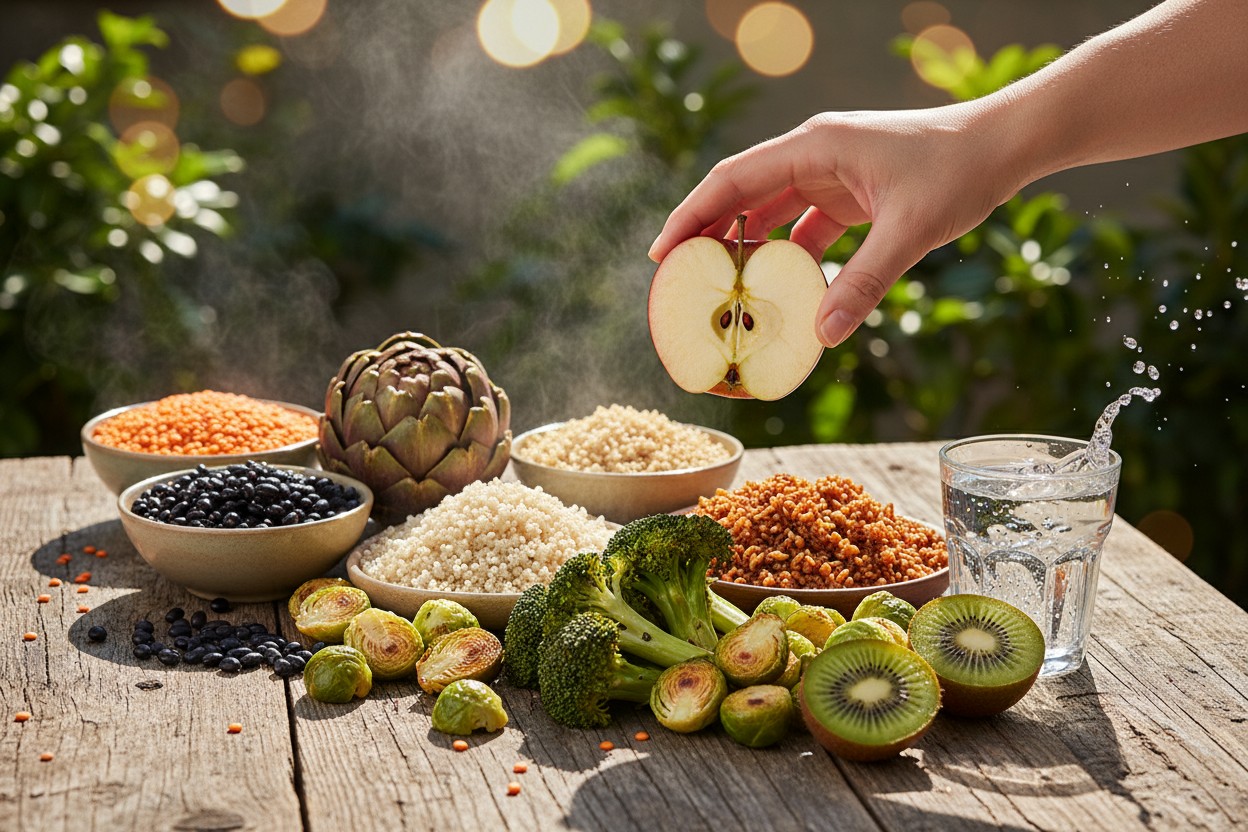
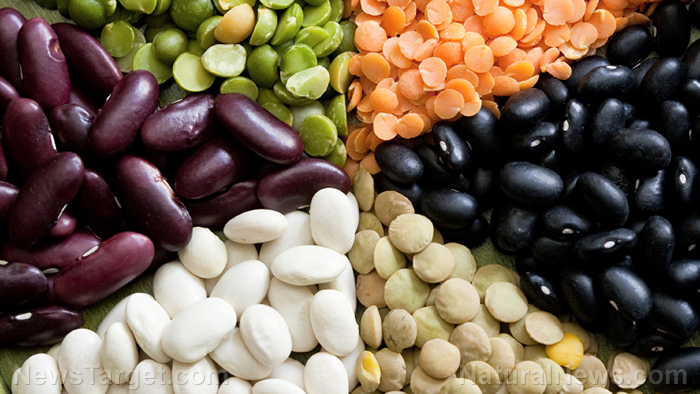
The race is not solely won by meat. Plant-based proteins not only contain all necessary amino acids but are often more digestible. For instance, edamame—immature soybeans—delivers over 18 grams of complete protein per cup. Legumes further dismantle the egg’s supremacy. A cup of cooked lentils provides nearly 18 grams of protein and a significant dose of heart-healthy fiber. Their profile presents a stark, protective contrast to many animal proteins.
Dairy products are also formidable contenders. A half-cup of low-fat cottage cheese packs roughly 13 grams of protein, while non-fat Greek yogurt provides a similar amount. Opting for a balanced diet rich in these whole foods can meet nutritional needs without introducing the harmful chemicals associated with some conventional farming methods.
The nuance of nutritional value
The ongoing debate about protein highlights a tendency to focus excessively on quantity while neglecting quality. No single nutrient group is inherently harmful or beneficial; what matters is the specific composition of each food. For instance, 25 grams of protein from poached eggs with whole grain bread carries far more nutritional value than an equal amount from a low-quality processed drink. The former provides essential fiber, B vitamins and minerals alongside the protein.
This conversation carries profound urgency for kidney health. The kidneys filter waste from protein metabolism. While protein is essential, excessive consumption—particularly from red meat—places undue strain on these organs. As we grow older, our kidney functionality naturally diminishes, making source and quantity critical. For those with compromised function, a diet emphasizing plant sources can help preserve remaining kidney function. This complex interplay underscores why professional guidance is non-negotiable for at-risk populations.
Moving beyond monotony
The relentless push has, for some, translated to overconsumption of animal fats and a neglect of other vital food groups. Nutritionists warn that balance is key; a plate dominated by steak lacks the fiber and antioxidants found in a meal incorporating legumes and vegetables.
“Protein is essential for muscle repair and growth and for maintaining healthy hair, skin and nails,” said BrightU.AI‘s Enoch. “Consuming it regularly helps stabilize blood sugar levels and reduces cravings for sugary foods. It also provides sustained energy throughout the day, supporting overall wellness.”
Ultimately, the revelation that many foods rival or surpass the egg is not an indictment but a liberation from dietary monotony. The egg remains a valuable, complete protein, but it is no longer the solitary star. The wisdom lies in diversification—mixing lean poultry, fatty fish, robust legumes and fortified dairy. This approach ensures adequate protein while supporting overall well-being and distributing the metabolic load more evenly.
Watch and discover the importance of protein in your diet.
This video is from the Groovy Bee channel on Brighteon.com.
Sources include:
Submit a correction >>
Tagged Under:
This article may contain statements that reflect the opinion of the author
RECENT NEWS & ARTICLES