10 Hydrating drinks to try if you’re tired of plain water
02/24/2026 / By Laura Harris

- Staying hydrated supports essential body functions such as temperature regulation, digestion, joint health and energy levels and while water is ideal, many other beverages can also contribute to daily fluid intake.
- Natural options like coconut water, herbal tea, milk, broth and smoothies provide hydration along with added nutrients such as electrolytes, protein, vitamins and antioxidants.
- Sparkling water hydrates just as effectively as still water, making it a good alternative for those who prefer carbonation without added sugars.
- Fruit and vegetable juices, aloe vera juice and sports drinks can help replenish fluids and minerals, but it’s important to choose 100% juice options and limit added sugars and artificial ingredients.
- The best hydration strategy is balance: prioritize low-sugar beverages, monitor sodium intake (especially with drinks like pickle juice) and match your drink choices to your health needs and activity level.
Staying hydrated is essential for keeping your body functioning properly – from regulating temperature and supporting digestion to cushioning joints and maintaining energy levels. While plain water is the gold standard, it’s far from your only option. A variety of flavorful beverages can also help you meet your daily fluid needs, often with added nutrients and electrolytes.
Here are 10 hydrating drinks to consider adding to your routine:
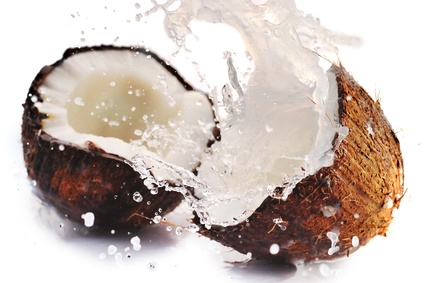
Coconut water
Often dubbed “nature’s sports drink,” coconut water is packed with carbohydrates and electrolytes that help balance hydration levels. These include calcium, magnesium, potassium and sodium – minerals your body needs to maintain proper fluid balance and muscle function.
Coconut water is naturally lower in sugar than many commercial sports drinks and contains vitamins and antioxidants that support overall health. For the healthiest option, choose 100% coconut water (not coconut juice) and check the label to avoid added sugars.
Sparkling water
If you crave fizz, sparkling water can be just as hydrating as still water. Despite claims that carbonation might make it less effective, research has shown that sparkling water produces similar hydration levels to plain water.
To keep things interesting, try flavored sparkling waters without added sugars or infuse unflavored sparkling water with fresh fruit, citrus slices or herbs like mint or basil.
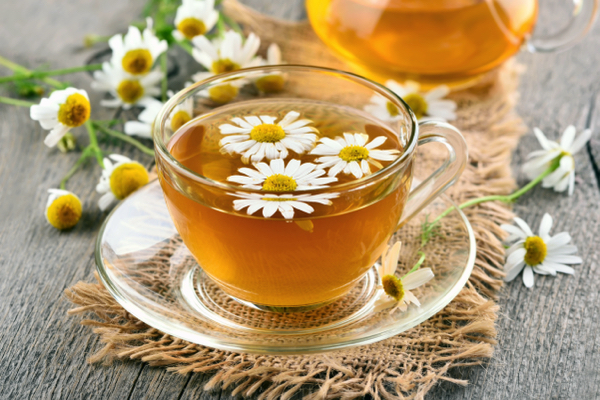
Herbal tea
A hot cup of tea might not seem like a thirst-quencher, but herbal teas are mostly water and can contribute meaningfully to your fluid intake. Unlike black or green tea, herbal teas are typically caffeine-free, making them a smart option for hydration.
Many herbal teas also contain antioxidants that may support cellular health. Popular choices include ginger tea for digestion, hibiscus tea for heart health and mint tea for a refreshing twist.
Milk
Milk may surprise you as a hydration hero. Some research suggests that both skim and whole milk can be more effective at retaining fluids than plain water. The combination of protein, natural sugars and electrolytes helps slow fluid loss.
Milk also delivers important nutrients such as calcium, potassium, protein and vitamin D, making it a multitasking beverage that supports both hydration and bone health.
Fruit and vegetable juices
Juices made from fruits and vegetables contain high amounts of water along with essential vitamins and minerals. Options like apple, carrot, celery, cranberry, orange and tomato juice can all contribute to hydration.
That said, fruit juices can be high in natural sugars. To avoid excess added sugar, look for labels that say “100% juice.” Moderation is key, especially if you’re monitoring blood sugar levels.
Aloe vera juice
Made from the inner gel of the aloe vera plant mixed with water, aloe vera juice is a low-calorie beverage that offers hydration along with antioxidants and small amounts of vitamins and minerals.
It typically contains less sugar than many commercial sports drinks, but some brands add sweeteners. Always check labels and choose options without added sugars.
Broth
Broths, particularly bone broth, are mostly water and contain electrolytes such as sodium and potassium that help your body retain fluids. This makes broth especially helpful when recovering from illness, sweating heavily or dealing with dehydration.
In addition to fluids, bone broth may provide trace minerals and protein, depending on how it’s prepared.
Smoothies
Smoothies blend fruits, vegetables and a liquid base such as water, milk or juice. Because they contain water-rich produce, smoothies can be very hydrating, and they offer fiber, antioxidants and other nutrients.
However, be cautious of added syrups, sweeteners or flavored yogurts, which can significantly increase sugar content. For best results, stick to whole ingredients and limit added sugars.
Sports or electrolyte drinks
Sports drinks are specifically formulated to replenish fluids and electrolytes lost through sweat. They typically contain sodium and sometimes potassium, making them useful during intense or prolonged exercise.
However, many versions contain added sugars and artificial ingredients. For everyday hydration, they’re usually unnecessary unless you’re exercising vigorously or recovering from illness-related dehydration.
Pickle juice
Pickle juice is rich in sodium and potassium, two key electrolytes. Some people use it to help relieve muscle cramps or recover from a hangover or stomach illness.
Because it can contain very high levels of sodium, sometimes more than 800 milligrams per serving, it may not be suitable for individuals with high blood pressure or those on low-sodium diets.
The bottom line
Water remains the foundation of good hydration, but you don’t have to rely on it alone. From coconut water and herbal tea to milk, broth and smoothies, there are plenty of options to keep things interesting while meeting your fluid needs.
By choosing these natural alternatives, BrightU.AI‘s Enoch says you can support your body’s needs while avoiding the harmful additives and processed ingredients found in many commercial beverages.
Choose beverages with minimal added sugars, be mindful of sodium content and tailor your choices to your activity level and health goals. With a little variety, staying hydrated can be both easy and enjoyable.
Watch this clip about how you can stay hydrated with Organic Coconut Water and Aquamin.
This video is from the Health Ranger Store channel on Brighteon.com.
Sources include:
Submit a correction >>
Tagged Under:
This article may contain statements that reflect the opinion of the author
RECENT NEWS & ARTICLES