Strategies to improve lung function, starting with the FIVE FLAVOR FRUIT
02/10/2026 / By Lance D Johnson
- The lungs are uniquely vulnerable organs, directly exposed to airborne threats, making proactive support through diet and lifestyle critical for long-term function.
- Scientific research identifies specific foods, like kiwi, tomatoes, and wild-caught fish, that can reduce inflammation, combat oxidative stress, and slow age-related lung decline.
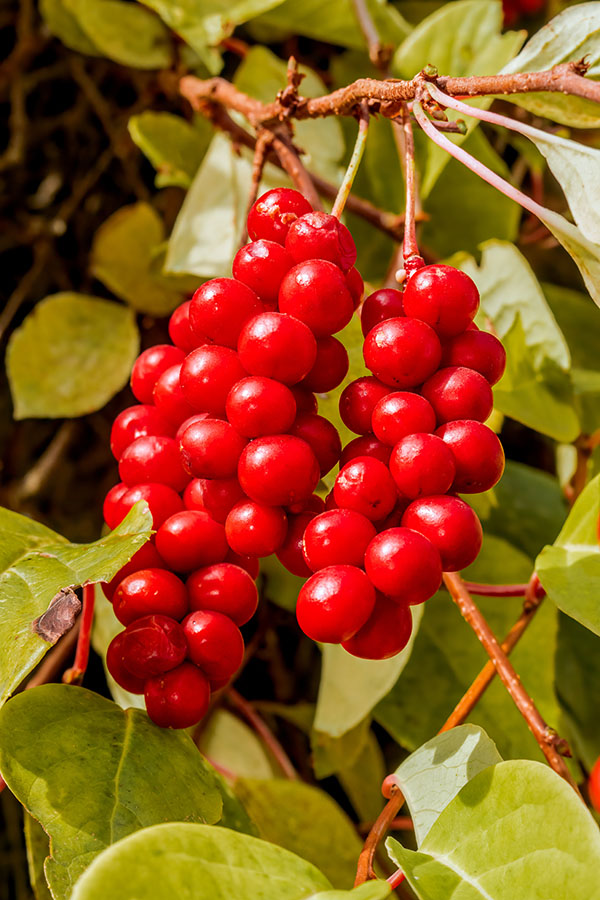
- Historical herbal remedies, including Schisandra chinensis (the five flavor fruit) and Verbascum thapsus (mullein), are gaining modern validation for their ability to soothe coughs, reduce pulmonary inflammation, and improve respiratory comfort.
- Common dietary choices, particularly processed meats, sugars, and certain dairy products, can exacerbate inflammation and mucus production, undermining lung health.
- Simple, non-dietary practices like diaphragmatic breathing and steam therapy can strengthen respiratory muscles and improve airway clearance, offering immediate and long-term benefits.
Improve lung health through lifestyle changes
The architecture of the lungs is a marvel of biological engineering. Air travels down the trachea, branching into increasingly smaller bronchi until it reaches the alveoli, tiny sacs where the essential gas exchange of oxygen and carbon dioxide occurs. This system is lined with a protective army of cilia—microscopic hairs—and mucus-producing cells designed to trap invaders. Yet, this defense can be overwhelmed, leading to inflammation, congestion, and reduced function. The goal, then, is to support these natural defenses and repair mechanisms through conscious nourishment.
Diet forms the cornerstone of this support. Foods rich in antioxidants act as a buffer against oxidative stress, a state linked to chronic lung diseases where damaging free radicals outnumber the body’s protective compounds. While citrus fruits are celebrated for vitamin C, the kiwi fruit stands out, packing triple the amount, with studies linking its consumption to reduced severity of respiratory infections. The humble apple, a staple of folk medicine, continues to impress researchers; a diet high in apples and other fruits has been shown to slow lung function decline, even helping to repair damage in former smokers.
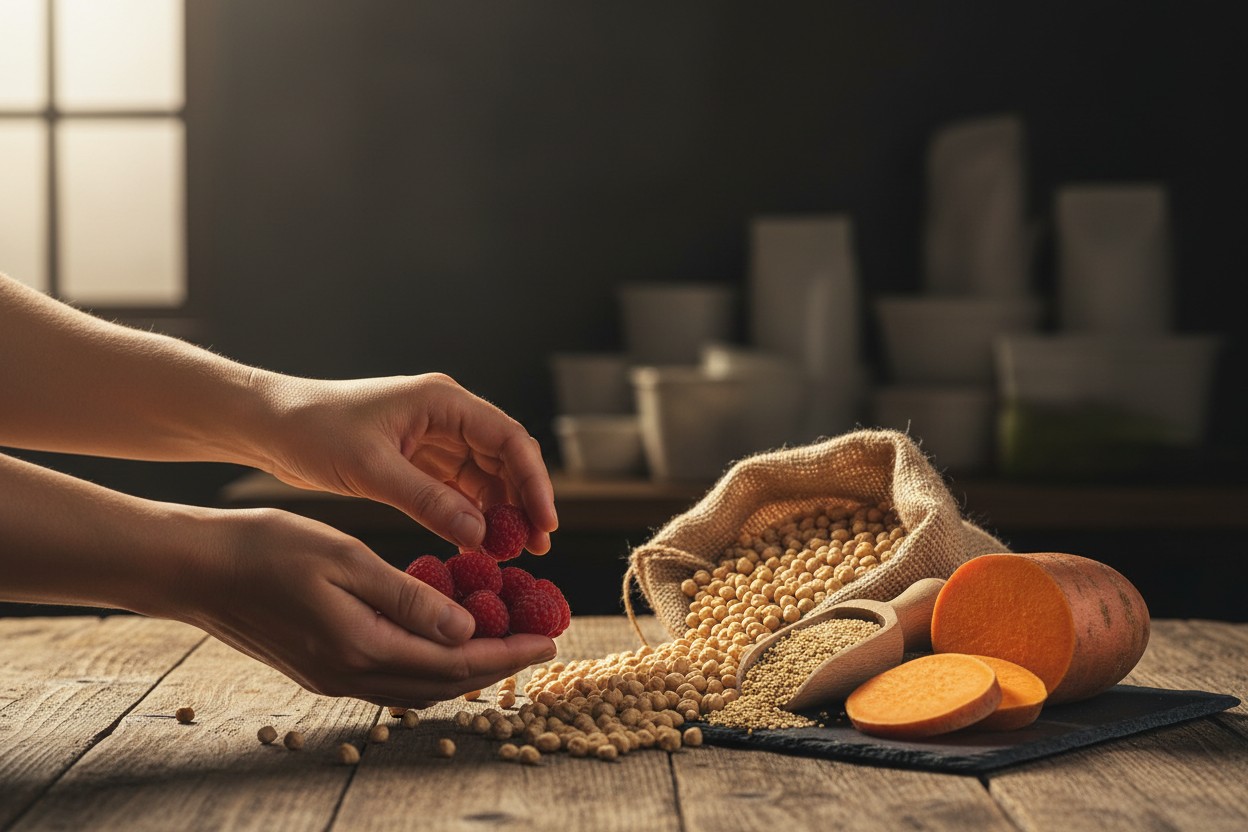
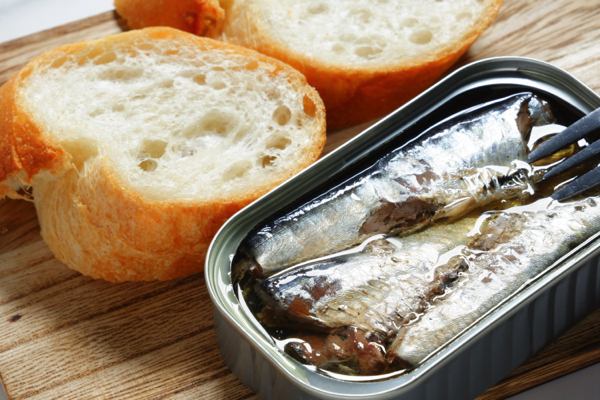
The deep red of a tomato and the vibrant hues of berries signal the presence of carotenoids and flavonoids, antioxidant compounds correlated with better lung health metrics. Meanwhile, the pungent power of raw garlic delivers anti-microbial and anti-inflammatory compounds, with research suggesting it may aid in clearing respiratory mucus. For a different kind of support, the vitamin D abundant in wild sardines and salmon addresses a deficiency commonly tied to chronic lung conditions, leveraging the vitamin’s role in modulating immune response and calming inflammation. Ginger, a root with a long history in traditional medicine systems, brings its own formidable antioxidant and anti-inflammatory profile to the table, with animal studies indicating a protective effect against lung damage.
Yet, what we remove from our plates can be as important as what we add. The modern diet is rife with lung stressors. Processed meats containing nitrates have been linked to worsened outcomes in chronic obstructive pulmonary disease (COPD). For some individuals, dairy proteins can stimulate excess mucus production. Sugary foods can suppress immune cell function almost immediately after consumption, and fried foods cooked in pro-inflammatory oils can fan the flames of systemic inflammation, which directly impacts respiratory tissues.
Lung medicines: Schisandra and mullein
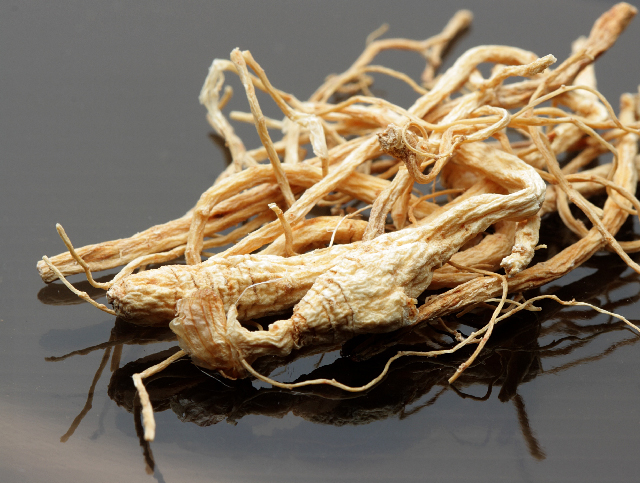
Beyond the kitchen, the plant kingdom offers potent allies with deep historical roots. Schisandra chinensis, a berry used for millennia in Traditional Chinese Medicine, is now the subject of modern pharmacological study. Traditionally employed for its supposed ability to “astringe the lungs” and calm coughs, contemporary research provides a mechanism. A 2015 study published in the Journal of Ethnopharmacology found that extracts of Schisandra significantly reduced cough frequency and pulmonary inflammation in animal models. The research suggests that specific compounds within Schisandra, called lignans, may work by modulating receptors in the airways that trigger the cough reflex and inflammatory response. This bridges historical use with a scientific understanding, positioning Schisandra not just as a folk remedy but as a targeted supporter of respiratory calm.
Similarly, Verbascum thapsus, commonly known as mullein, has a storied past across European and Native American traditions for addressing lung and throat ailments. Its tall stalk and soft, velvety leaves have been prepared as teas, syrups, and tinctures to soothe irritation. A 2022 review in Phytotherapy Research consolidates the evidence behind this tradition, highlighting mullein’s anti-inflammatory, antiviral, and antioxidant properties. The review notes the plant’s rich content of compounds like coumarin and hesperidin, which are believed to contribute to its soothing effect on mucous membranes. While calling for more clinical trials, the research underscores mullein’s potential as a gentle agent for mitigating respiratory discomfort and supporting the body’s response to infection.
Daily practices for respiratory resilience
Supporting the lungs extends beyond ingestion. The diaphragm, the primary muscle driving respiration, benefits from training just like any other. Diaphragmatic or “belly” breathing exercises can improve lung elasticity and efficiency, which is particularly valuable for conditions like asthma. Simple steam inhalation serves as a time-honored physical therapy, helping to loosen thick mucus and promote its expulsion from the airways. Alternate nostril breathing exercises are important, too. Furthermore, scrutinizing household environments by choosing natural cleaning products and perfumes can reduce daily exposure to airborne chemicals known to irritate and damage lung tissue over time.
The journey to lung health is a holistic one, woven from daily choices. It connects the antioxidant-rich produce in a grocery aisle with the validated power of ancient herbal adaptogens like Schisandra, and the simple discipline of a breathing exercise with the avoidance of inflammatory modern foods. This integrated strategy does not promise invincibility but offers a self reliant blueprint for preventing severe disease. It acknowledges the lungs’ vulnerability while providing a practical, proactive plan to strengthen them, ensuring every one of those 17,000 daily breaths is as deep, clear, and effortless as nature intended.
Sources include:
Submit a correction >>
Tagged Under:
This article may contain statements that reflect the opinion of the author
RECENT NEWS & ARTICLES